
January 28, 2026
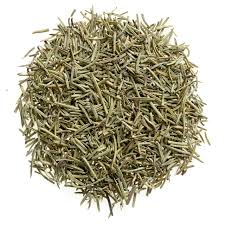
Looking for a reliable Egyptian source of dried rosemary for import? We supply dried rosemary leaves and rosemary powder for food manufacturers, spice blenders, private label brands, and ingredient importers worldwide. Our rosemary is selected for strong aroma, clean appearance, and stable industrial performance in seasonings, marinades, sauces, meat processing, bakery, and ready meals.
Available forms: Rosemary Leaves (Cut) | Rosemary Powder (Ground)
Product Overview (Dried Rosemary for Importers)
- Product name: Dried Rosemary
- Botanical name: Salvia rosmarinus (syn. Rosmarinus officinalis)
- Plant part: Leaves
- Category: Dried Culinary Herbs (Food Grade)
- Target buyers: Importers, wholesalers, spice brands, food factories, seasoning/blend producers
- Origin: Egypt (export documentation available)
Typical aroma profile: rosemary is known for its fresh, camphor-like and eucalyptus-style notes that perform well in savory applications, especially when heat is involved.
Why Importers Choose Our Egyptian Rosemary
- B2B-ready quality: cleaned, sorted, and prepared to match buyer specifications (ESA/ISO-aligned parameters available).
- Stable supply for industry: suitable for continuous production in blends and food processing.
- Export documentation support: COA, phytosanitary, certificate of origin, packing list, commercial invoice (as required).
- Flexible packaging: bulk export packs or customized/contract packing (upon request).
- Quality assurance: sampling and testing based on agreed methods and limits; third-party inspection can be arranged.
Available Forms: Rosemary Leaves vs Rosemary Powder
1) Dried Rosemary Leaves (Cut)
Best for buyers who need visible leaf appearance and controlled release in cooking or processing. Cut leaves are widely used in:
- meat and poultry seasonings
- sausages and processed meats
- soups, sauces, marinades
- bakery fillings and savory snacks
Importer benefit: leaf form is ideal when you want a natural, premium look in blends and retail packs.
2) Rosemary Powder (Ground)
Designed for high dispersion and uniform flavor distribution. Powder is preferred when you need:
- fast extraction and consistent dosing
- fine texture for industrial blends
- stable performance in sauces, coatings, and seasoning mixes
Mesh/particle size: produced according to buyer requirement (common industrial ranges can be offered on request).
Quality Specifications (Importer-Focused, ESA/ISO-Aligned)
We can supply rosemary according to your destination regulations and buyer specs. For European buyers and many global importers, we can align targets with recognized trade parameters (ESA Quality Minima) and product specification frameworks (ISO standard for dried rosemary in cut form).
ESA Quality Minima Targets (Common EU B2B Reference)
| Parameter | Target (Typical ESA minima) | Notes |
|---|---|---|
| Total ash (dry basis) | Max 8.0% | Agreed methods and reporting in COA |
| Acid insoluble ash (dry basis) | Max 1.0% | Indicator of mineral/soil contamination control |
| Moisture | Max 10% | Supports stability during shipping and storage |
| Volatile oil (dry basis) | Min 1.0 ml/100g | Related to aroma strength and sensory performance |
| Water activity (target guidance) | Max 0.65 (target) | Often used in HACCP controls; confirm per contract |
Cleanliness & Visual Requirements (Cut Leaves)
For cut rosemary leaves, we control visible defects and foreign matter to meet industrial buyer expectations. Typical controls include limits on stems, discolored leaves, and extraneous matter, agreed in the final specification and verified through inspection and testing.
Food Safety, Compliance & Documentation for Imports
Importers commonly request the following (provided as applicable to shipment and destination):
- COA (Certificate of Analysis) including moisture/ash parameters and agreed microbiology
- Phytosanitary Certificate
- Certificate of Origin
- Packing List & Commercial Invoice
- MSDS / Product Data Sheet (upon request)
- Third-party inspection (SGS/BV/Intertek or buyer-nominated, upon request)
Note for EU buyers: pesticide residues, contaminants, and microbiological limits depend on destination rules and your customer’s internal standards. We prepare shipments with traceability and preventive controls to support compliance.
Export Packaging Options (Bulk & Contract Packing)
- Bulk packing: kraft bags, PP bags, or cartons (common export weights available on request)
- Inner lining: food-grade PE liner (optional)
- Palletizing: available upon request
- Private label / retail packs: available for qualified orders
Storage & Shelf Life Guidance
- Store in a cool, dry place, away from direct sunlight and strong odors.
- Keep packaging tightly closed to protect aroma and prevent moisture uptake.
- Shelf life is set according to packaging, storage conditions, and destination requirements (commonly labeled in B2B contracts).
How to Buy (Fast B2B Quotation)
To quote accurately, please share:
- Form needed: Leaves or Powder
- Target specification: moisture/ash, volatile oil (if required), microbiology, contaminants
- Packaging preference and labeling needs
- Destination country/port and target shipment window
- Estimated annual volume (optional, helps reserve supply)
Next steps: we confirm specs → offer & COA sample plan → pre-shipment inspection/testing (if required) → export shipment.
FAQ (Importers & Buyers)
1) What forms of rosemary do you export?
We export dried rosemary leaves (cut) and rosemary powder. Each form can be supplied to buyer specification and packaging requirements.
2) Can you meet ESA quality minima for rosemary?
Yes. We can align rosemary shipments with common ESA minima targets (moisture, ash, acid insoluble ash, volatile oil) and provide COA results per lot.
3) Do you supply rosemary for seasoning factories and blend manufacturers?
Yes. Both leaves and powder are suitable for industrial blends, meat processing, sauces, marinades, coatings, and ready-meal applications.
4) What is the difference between rosemary leaves and powder for production?
Leaves provide a visible herb appearance and slower flavor release. Powder disperses quickly and gives more uniform flavor distribution, especially in fine blends and sauces.
5) Can you customize mesh size for rosemary powder?
Yes. We can produce powder to the particle size required by your blending or filling line (subject to feasibility and agreed QA checks).
6) What documents do you provide for import clearance?
Common export documents include COA, phytosanitary certificate, certificate of origin, packing list, and commercial invoice. Additional documents can be arranged depending on your destination and customer requirements.
7) What is your MOQ for rosemary exports?
MOQ depends on form, packaging, and seasonality. Send your required specs and destination, and we will propose the best MOQ for an export-efficient shipment.
8) Do you offer sterilization or microbial reduction?
Micro requirements vary by buyer and market. Where requested, we can discuss approved microbial reduction options and provide relevant documentation.
9) How do you control foreign matter and cleanliness?
We apply cleaning and sorting steps and verify against agreed cleanliness limits. Optional third-party inspection can be arranged before shipment.
10) How do I request a quote or a pre-shipment sample?
Send your target form (leaves/powder), specification limits, packaging, destination port, and volume. We will reply with a quotation and a sampling/testing plan.