
January 28, 2026
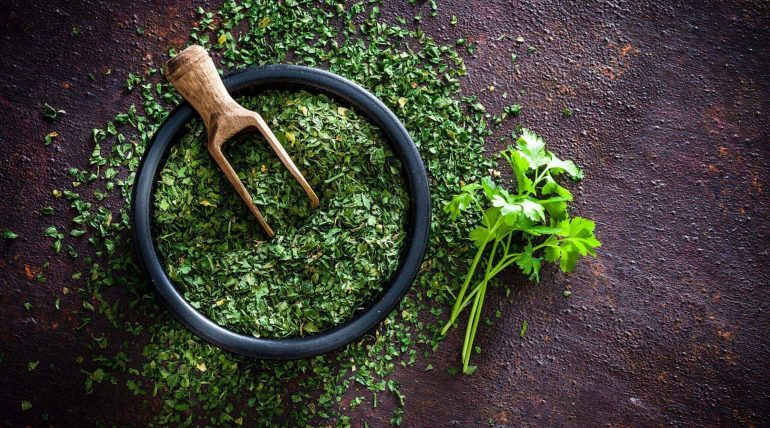
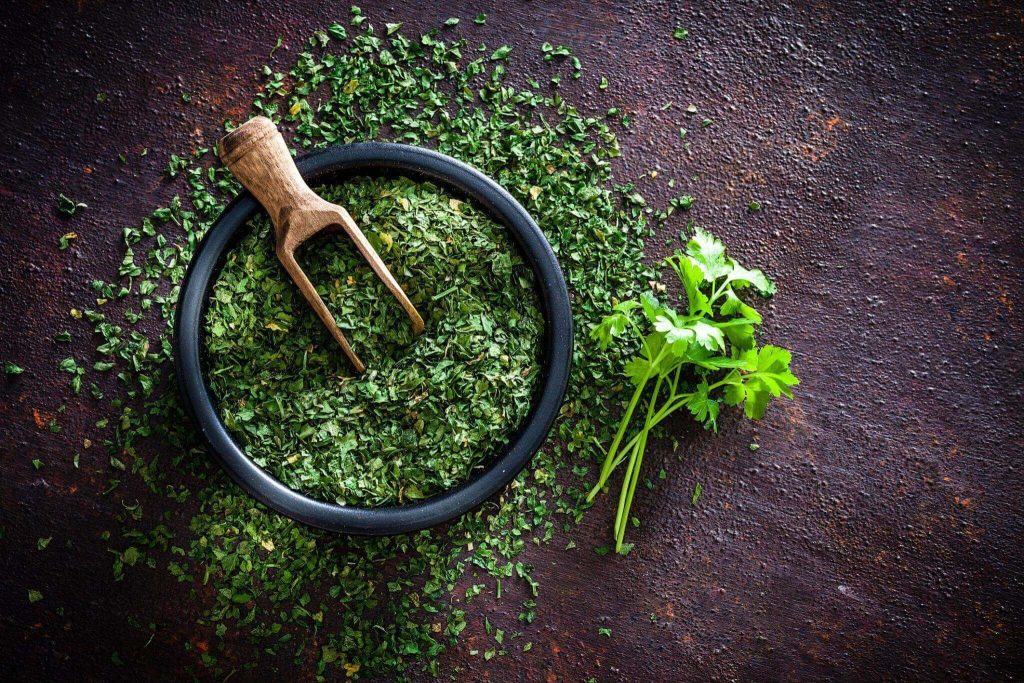
Premium Herbs Egypt supplies dried parsley in bulk for importers, spice blenders, food manufacturers, and repackers. We export parsley in the formats most requested by professional buyers: Leaves (cut/flakes), Crushed (Rubbed), and Powder (Ground), prepared for international trade with buyer-aligned specifications and export documentation support.
Best for: seasoning factories, soup and sauce producers, frozen/ready-meal manufacturers, spice brands, horeca distributors, and ingredient traders.
Dried Parsley Product Overview (Importer-Friendly)
- Product name: Dried Parsley
- Botanical name: Petroselinum crispum
- Plant part: Leaves
- Origin: Egypt
- Forms available: Leaves (Cut/Flakes) / Crushed (Rubbed) / Powder (Ground)
- Trade use: culinary herb for blends, sauces, soups, coatings, and convenience foods
Why Importers Choose Our Egyptian Parsley (B2B Benefits)
- Lot consistency: stable cut style and green color expectations aligned to your purchasing spec.
- Cleanliness focus: cleaning and sorting steps to control foreign matter and extraneous plant parts.
- Format flexibility: leaves/flakes for repacking, crushed for blends, powder for uniform dispersion.
- Export-ready support: packaging options, palletizing, and documentation for customs clearance.
- Buyer-driven QA: COA for agreed parameters and optional third-party inspection upon request.

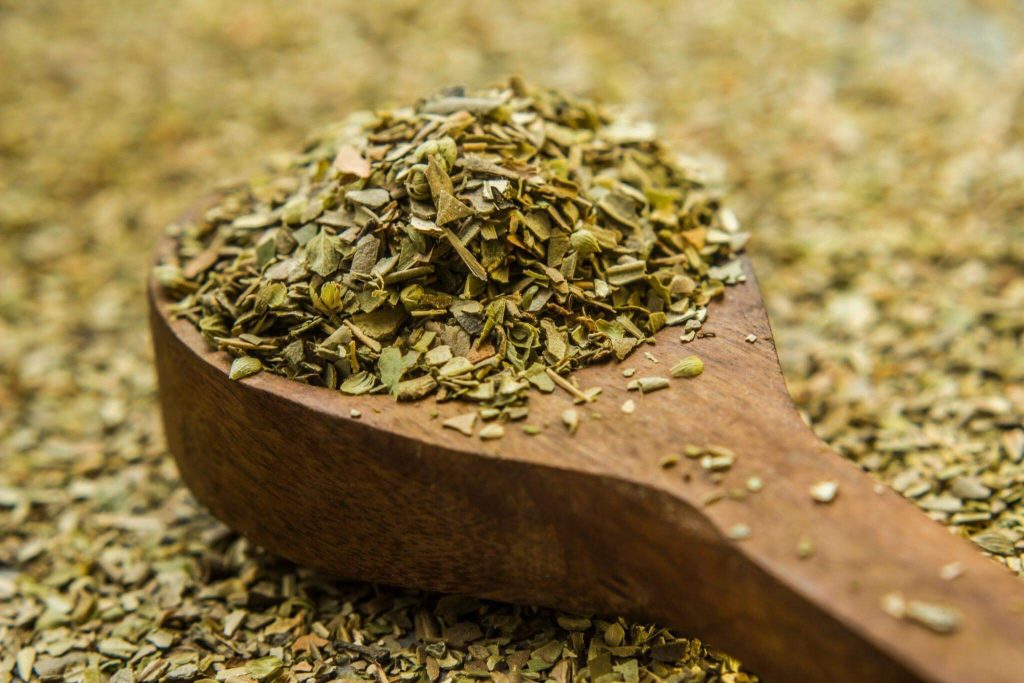
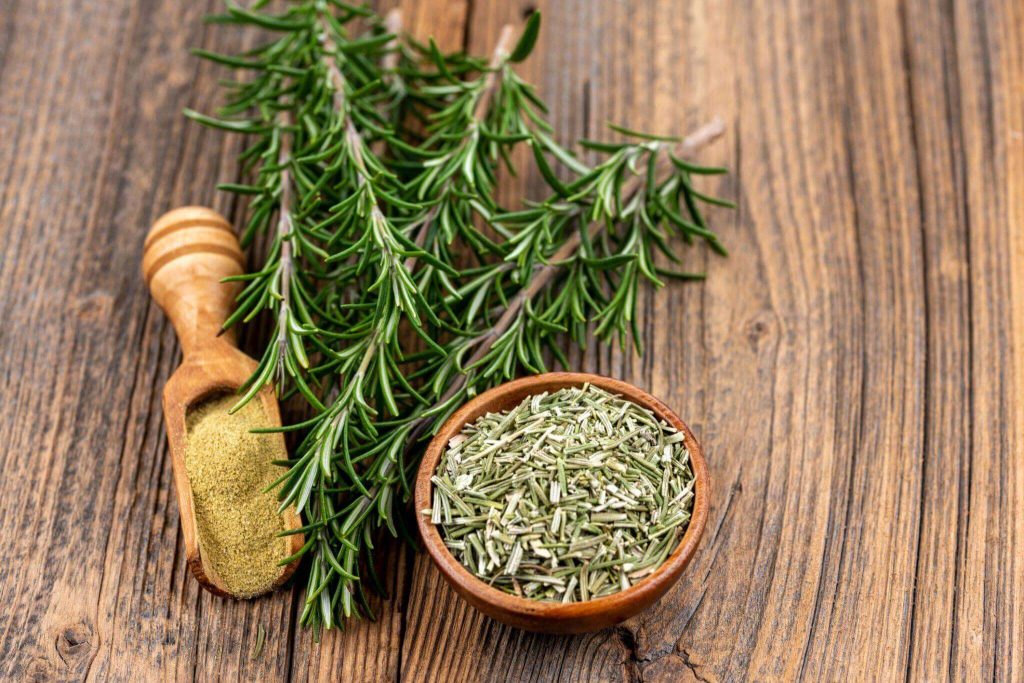
Available Forms: Leaves vs Crushed (Rubbed) vs Powder (What to Import and Why)
1) Parsley Leaves (Cut / Flakes)
Leaves are preferred when visual identity matters. They are widely used for repacking and premium blends.
- Ideal for: retail repackers, visible herb mixes, garnish blends, foodservice packs
- Buyer checkpoints: green color, low stems, controlled foreign matter, consistent cut size
2) Crushed Parsley (Rubbed)
Crushed (also called rubbed) parsley is processed to a coarser, more uniform particle size for faster flavor release and easier blending.
- Ideal for: seasoning factories, marinade blends, coating systems
- Buyer checkpoints: sieve distribution (coarse/medium/fine), controlled dust, flowability
3) Parsley Powder (Ground)
Powder provides the most uniform dispersion in industrial formulations. It is commonly used where a fine texture and consistent dosing are needed.
- Ideal for: soups, sauces, bouillons, snack seasoning, ready-meal formulations
- Buyer checkpoints: mesh/particle size, moisture control, packaging suitable for powders
Importer tip: If you sell multiple SKUs (leaves + crushed + powder), request a single-lot conversion plan to keep color and flavor profile consistent across formats.
Specification Sheet (ISO-Aligned Benchmarks for Professional Buyers)
Many buyers reference the international specification framework for dried parsley when building purchase specs. Below is an ISO-aligned benchmark structure commonly used for contracts, with final values confirmed to your market requirements and customer standards.
| Parameter | Benchmark Target | Why It Matters for Importers |
|---|---|---|
| Moisture | ≤ 8% | Supports stability, reduces clumping, and protects quality in shipping/storage. |
| Total Ash (dry basis) | ≤ 14.5% | Indicator of overall cleanliness and field handling control. |
| Acid Insoluble Ash (dry basis) | ≤ 1.5% | Often used as a proxy for sand/silica contamination control. |
| Volatile Oil (dry basis) | Leaves: ≥ 0.3 ml/100g | Rubbed/Ground: ≥ 0.2 ml/100g | Linked to aroma strength and sensory performance. |
| Crude Fibre (dry basis) | ≤ 9% | Quality marker used by some industrial buyers. |
| Extraneous Matter | ≤ 1.0% | Controls non-target plant parts and defects per agreed inspection method. |
| Powder fineness (guidance) | Pass through 500 μm sieve | Helps ensure uniform blending and predictable performance. |
| Color (guidance) | Light to relatively dark green | Supports buyer expectations in blends and retail packs. |
COA & testing: We provide lot-based COA for agreed parameters. Microbiology limits and residue/contaminant requirements vary by destination (EU/UK/US/GCC) and customer policy, so please share your target limits for alignment.
Processing, Cleaning & Quality Control (What Buyers Usually Ask For)
- Raw material grading: defined by leaf ratio, color range, aroma, and defect tolerance.
- Cleaning: screening and separation steps to reduce foreign matter and improve visual quality.
- Cut control: calibrated cutting and rubbing to reach your requested distribution.
- Milling for powder: particle size control with sieve checks where required.
- Metal control: quality checks to support safe handling and reduce risk in downstream processing.
Export Packaging Options (Bulk, Industrial, Private Label)
Packaging is selected based on the form (leaves/crushed/powder), your handling needs, and your shipping plan:
- Bulk packing: commonly 10–25 kg PP bags (with inner liner) or kraft bags, palletized.
- Powder packing: reinforced paper bags or cartons with liner to protect against moisture pickup.
- Custom packing / OEM: private label and contract packing available for qualified orders.
Export Documents (Typical B2B Set)
- Commercial Invoice & Packing List
- Certificate of Origin
- Phytosanitary Certificate (when applicable)
- COA (Certificate of Analysis) per agreed parameters
- Third-party inspection support (buyer-nominated) upon request
Industrial Applications (Where Dried Parsley Fits Best)
- Seasoning blends: soup mixes, bouillons, Mediterranean blends, poultry seasoning.
- Processed foods: sauces, frozen meals, ready-to-cook coatings.
- Foodservice: large pack blends and repack formats.
- Retail repacking: flakes/leaves for consumer jars and pouches.
How to Buy Bulk Parsley from Premium Herbs Egypt (Fast Quotation)
To receive an accurate offer quickly, send:
- Required form: Leaves / Crushed (Rubbed) / Powder
- Target cut size or mesh (if applicable)
- Quality targets: moisture/ash/AIA, extraneous/foreign matter limits, color grade
- Microbiology limits + residue/contaminant requirements (destination-specific)
- Packaging (kg/bag), pallet specs, and destination port
- Quantity + preferred incoterm (FOB/CIF/CFR)
Request a quote and we’ll reply with availability, grade options, lead time, packing recommendations, and a draft specification sheet for approval.
FAQ (Bulk Dried Parsley Importers)
What forms of dried parsley do you export?
We export dried parsley as leaves (cut/flakes), crushed (rubbed), and powder (ground) to match different manufacturing and repacking needs.
What is the difference between leaves, crushed (rubbed), and powder?
Leaves/flakes are best for visible blends and repacking. Crushed (rubbed) parsley blends easily and releases flavor faster. Powder provides the most uniform dispersion in industrial mixes and sauces.
Can you provide a COA and specification sheet before shipment?
Yes. We provide a lot-based COA for agreed parameters and share a draft specification sheet for approval before shipping.
What moisture level should importers request for dried parsley?
Many professional buyers specify low moisture to protect stability during shipping. A common benchmark target is ≤ 8% depending on contract and destination requirements.
Do you customize particle size for crushed parsley and powder?
Yes. We can prepare crushed parsley and powder to buyer-defined sieve distribution or mesh size, subject to feasibility and agreed QA checks.
Which documents do you provide for customs clearance?
Typically: invoice, packing list, certificate of origin, COA, and phytosanitary certificate when applicable. Additional documents can be arranged based on your market.
What are typical bulk pack sizes?
Bulk exports are commonly packed in 10–25 kg bags with inner liners and palletized. Packaging is confirmed per product form and shipping plan.
What is your MOQ for dried parsley?
MOQ depends on the form (leaves/crushed/powder), grade, and packaging. Share your destination and specs to receive an export-efficient MOQ proposal.